Introduction
In the realm of marketing and communication materials, the terms “pamphlet” and “brochure” are often used interchangeably, leading to confusion among businesses and consumers alike. However, understanding the distinctions between these two mediums is crucial for effectively conveying your message to your target audience. In this comprehensive guide, we’ll delve into the nuances of pamphlets and brochures, exploring their definitions, purposes, design elements, and cost considerations.
What is a Pamphlet?
A pamphlet is a concise, informational document that typically consists of a single sheet of paper or a few folded sheets. It serves as a tool for conveying specific details about a product, service, event, or cause. Pamphlets are often used for educational purposes, advocacy campaigns, or to provide instructions or guidelines.
What’s a Brochure?
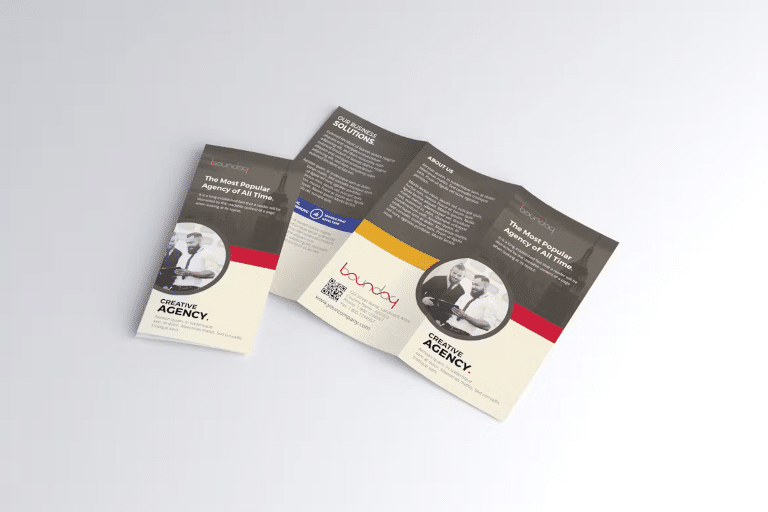
On the other hand, a brochure is a more comprehensive marketing collateral piece that is folded into panels or pages, providing detailed information about a company, its products, or services. Brochures are commonly used in business settings, trade shows, tourism, and various promotional campaigns to showcase offerings and attract potential customers.
Difference Between a Brochure and Pamphlet
While pamphlets and brochures share similarities in their purpose of conveying information, several key differences set them apart:
Size and Format
- Pamphlets are usually smaller in size and may consist of a single sheet of paper or a few folded sheets.
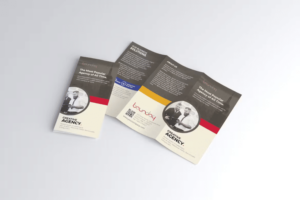
- Brochures, on the other hand, are larger and more complex, often folded into multiple panels or pages to accommodate extensive content.
Content Depth
- Pamphlets tend to focus on delivering concise and targeted information on a specific topic.
- Brochures allow for more detailed content, including product descriptions, company background, testimonials, and contact information.
Design Complexity
- Pamphlets typically have simpler designs, with basic layouts and minimal graphics.
- Brochures offer greater design flexibility, allowing for the incorporation of images, charts, diagrams, and other visual elements to enhance engagement.
Pamphlet vs. Brochure Design
When designing pamphlets and brochures, it’s essential to consider the following factors:
Audience and Purpose
Tailor the design to resonate with your target audience and align with the intended message or objective of the marketing campaign.
Visual Appeal
Use high-quality images, colors, and fonts to create visually appealing layouts that capture attention and reinforce brand identity.
Clarity and Readability
Ensure that the content is organized logically, with clear headings, subheadings, and bullet points to facilitate easy navigation and comprehension.
Brand Consistency
Maintain consistency with your brand’s style guidelines, including logo usage, color palette, and tone of voice, to reinforce brand recognition and credibility.
Call to Action
Include a compelling call to action (CTA) that prompts readers to take the desired next step, whether it’s contacting your company, visiting your website, or making a purchase.
Purpose of a Brochure
Brochures serve various purposes within the marketing landscape:
Information Dissemination
Brochures provide comprehensive information about products, services, or events, helping customers make informed decisions.
Brand Promotion
By showcasing the company’s offerings in an appealing format, brochures help reinforce brand awareness and establish credibility.
Lead Generation
Brochures serve as effective lead generation tools, capturing the interest of potential customers and encouraging them to engage further with the brand.
Sales Support
Brochures can be used by sales teams as leave-behind materials during client meetings or as part of sales kits to support pitching efforts.
Brochure Design Cost
The cost of designing a brochure can vary depending on several factors:
Design Complexity
The more intricate and sophisticated the design, the higher the cost may be due to additional time and resources required.
Graphic Elements
Incorporating custom graphics, illustrations, or photography can increase design costs, especially if they require licensing fees or specialized expertise.
Printing Specifications
Factors such as paper quality, printing technique (e.g., offset printing, digital printing), and finishing options (e.g., matte or glossy finish, embossing, foil stamping) can influence overall printing costs.
Quantity
Printing larger quantities of brochures typically results in lower unit costs, as the fixed setup costs are spread across a greater volume.
Conclusion
In summary, while pamphlets and brochures serve similar purposes in conveying information, they differ in terms of format, content depth, and design complexity. Understanding these distinctions is crucial for selecting the most appropriate marketing collateral for your specific needs. By leveraging effective design principles and considering cost considerations, businesses can create compelling pamphlets and brochures that effectively engage their target audience and drive desired outcomes.For professional brochure design services tailored to your business needs in Orlando, Altamonte Springs, Maitland, Casselberry, Ocoee, Oviedo, and Kissimmee, visit Orlando Print Company today.